
Taylor Swift and AI: Look What They Made Her Do
Taylor Swift and AI
As the evolution and use of artificial intelligence grows, celebrities and other high-profile individuals face increasing risk of unauthorized use of their name, image, voice, and likeness. We’ve discussed in the past various AI deepfakes or cloning of artists like Beyonce, Rihanna, and Taylor Swift—AI-generated reproductions of the voice or image (or both) of popular artists, created without the artists’ permission. While some question the level of protection afforded against such misuse by the existing legal framework, celebrities like Taylor Swift and Matthew McConaughey are taking their own steps to try and further protect themselves from AI misuse.
In 2023, McConaughey filed eight trademark applications through his company J.K. Livin Brands, Inc. The applications, which matured to registration this past December, include video recordings of McConaughey without sound as well as sound recordings (which appear as a “Sensory Mark” in the USPTO’s trademark database) of his well-known lines, “Alright, Alright, Alright” and “Just keep livin’, right?” At the time of filing, McConaughey’s attorneys spoke openly about their intent to protect the actor’s voice and likeness from AI misuse. Specifically, apart from state-level name, image, and likeness protections, McConaughey’s attorneys acknowledged they initiated this strategy to allow McConaughey to pursue claims against AI misuse in federal court on claims of federal trademark infringement.
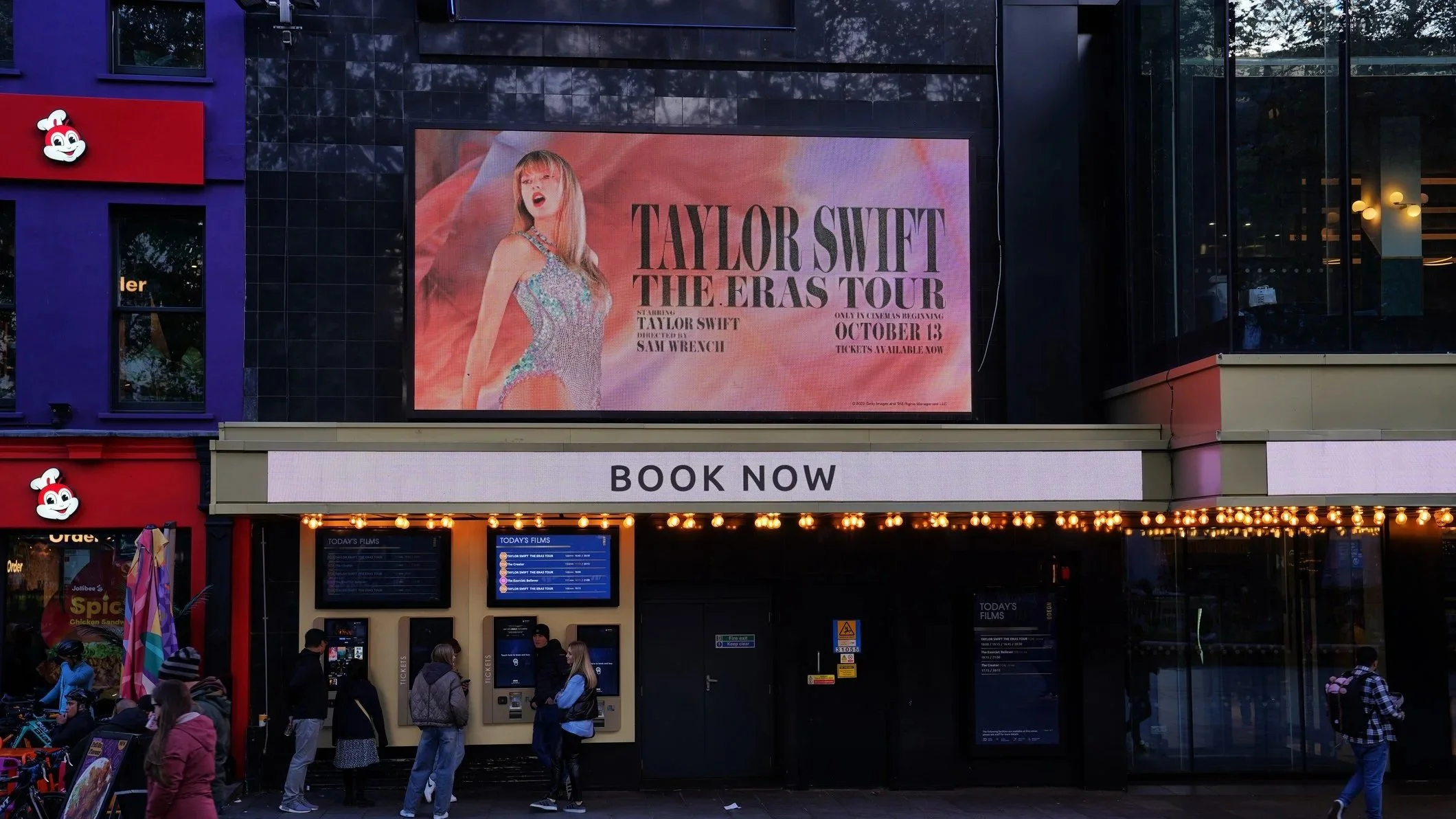
In similar fashion, just last week Taylor Swift’s attorneys filed for trademark protection of an image of Taylor on stage as well as sound recordings of “Hey, It’s Taylor Swift,” and “Hey, It’s Taylor,” all for entertainment services in Class 41. And while neither Swift nor her attorneys have commented on the specific impetus for the filings, many have been quick to identify the applications as intended to protect against AI abuse. These are not the first trademarks Swift has submitted for federal registration—she owns well over 170 live registrations or pending applications at present—prompting many to consider her a leader in the intellectual property space.
It remains to be seen how federal courts will respond to this approach. What is clear, however, is the path being forged by artists like McConaughey and Swift to attempt to protect themselves from AI misuse under existing federal trademark laws, despite such laws predating the existence of generative AI. It’s a creative strategy and one that may allow artists to challenge unauthorized use at the platform level—i.e., with complaints directly to the creators of various AI technology—rather than having to pursue every individual use of the technology. Much like the wave of copyright infringement lawsuits brought by authors in recent years against OpenAI, Meta, and Anthropic, a round of trademark infringement claims could eventually be brought by various artists and high-profile persons based on federal trademark registrations related to unauthorized AI use or AI-generated reproductions of their images and voices.
For more information about AI law, see our technology law services practice page.
Klemchuk PLLC is a leading IP law firm based in Dallas, Texas, focusing on litigation, anti-counterfeiting, trademarks, patents, and business law. Our experienced attorneys assist clients in safeguarding innovation and expanding market share through strategic investments in intellectual property.
This article is provided for informational purposes only and does not constitute legal advice. For guidance on specific legal matters under federal, state, or local laws, please consult with our IP Lawyers.
© 2026 Klemchuk PLLC | Explore our services