
More Than a Fine – U.S. Attorney’s Career Cut Short Due to AI Misuse
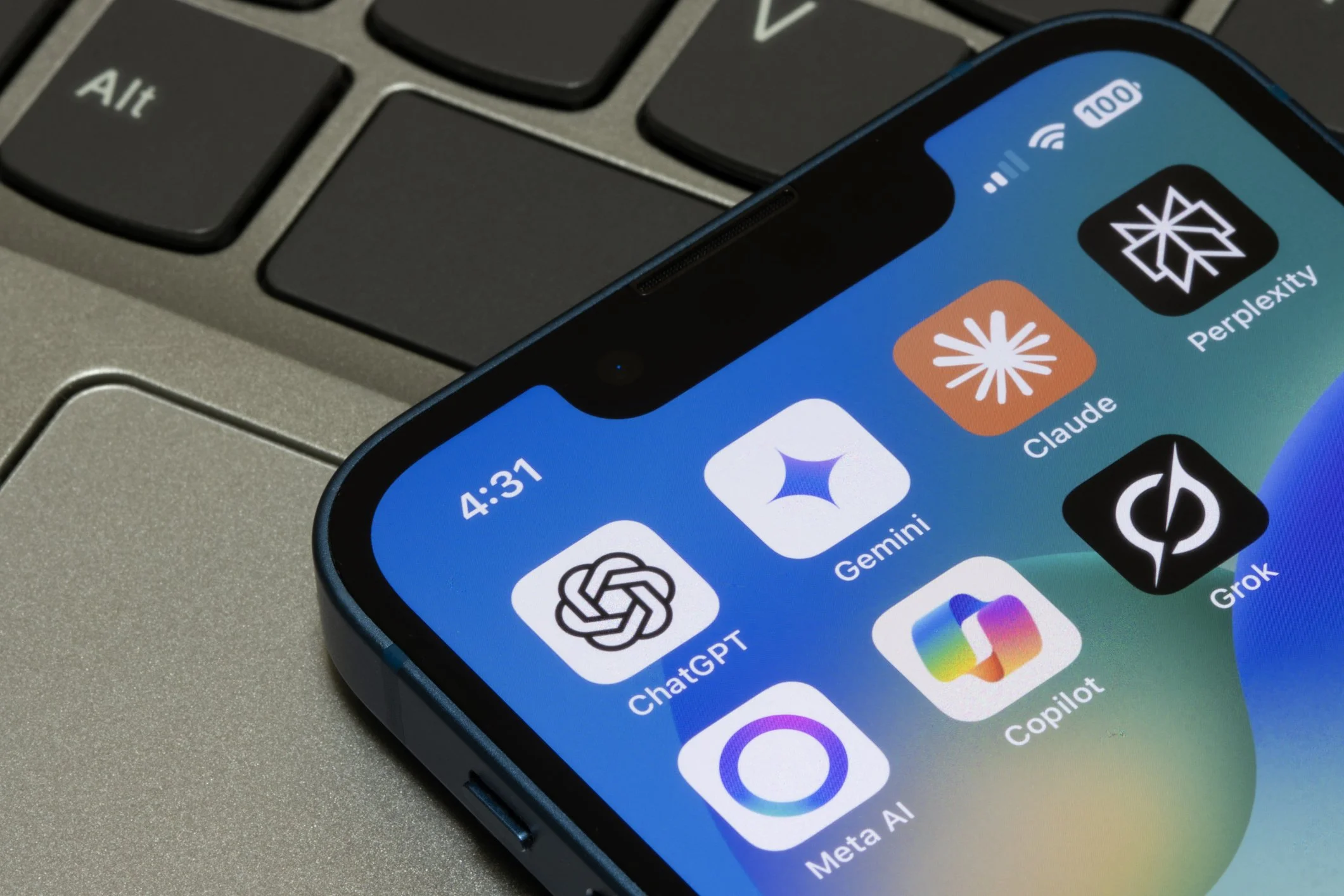
If you’ve been following our blogs for any length of time, you know that the fines associated with attorney misuse of generative artificial intelligence have increased sharply in the past year – with one Chicago attorney and his firm sanctioned a collective $60,000. In late April of this year, a magistrate judge in the Eastern District of North Carolina formally reprimanded AI misuse by a former U.S. Attorney in a detailed opinion demonstrating the results were far more than a fine.
A Federal Reprimand for Generative AI Misuse
In an order dated April 28, 2026, U.S. Magistrate Judge Robert T. Numbers II admonished U.S. Attorney Rudy Renfer, a thirty-year attorney with 17 years as a U.S. Attorney related to Renfer’s misuse of generative AI in court briefings. As noted by Judge Numbers, “[g]iven the seriousness of the misconduct, Renfer’s lack of candor and the position of trust he held, serious sanctions would ordinarily be justified to vindicate the integrity of the judicial process and deter similar conduct.” Nevertheless, “in light of the professional consequences he has already suffered, the court will limit its sanction to a public reprimand.” More specifically, Judge Numbers reported that as a result of the incident, “Renfer’s professional reputation, both locally and nationally, is in tatters” and that “[i]n this court, his name will be synonymous with a failure to uphold the basic duties of competence and candor expected of every attorney.”
According to the court, Renfer “intentionally submitted a brief containing false materials to the court.” Judge Numbers did not impose a fine given that the incident had already cost Renfer his job as U.S. Attorney and had further resulted in Renfer’s investigation by the Department of Justice’s General Counsel as well as its Office of Professional Responsibility.
What Happened: Misquoted Case Law and a Lack of Candor
The matter in question occurred during the pendency of a lawsuit brought against the U.S. Department of Defense by retired U.S. Air Force Col. Derence V. Firehouse over a change to his government health insurance that excluded coverage for GLP-1 medications. In a response brief submitted to the Court, Renfer misquoted a Fourth Circuit opinion, falsely attributed various quotations to other cases, and also mis-described a prior decision of the instant court. Upon discovery and disclosure by Firehouse, Renfer asked to file a substitute document to replace what he described as a “draft” brief containing “clerical” errors that had been filed inadvertently. Of particular importance to the Court, Renfer’s submission made no mention of the use of generative AI in drafting any of the filings mentioned in the show cause order.
How the Misuse Came to Light
In a hearing on the matter this past March, Renfer acknowledged the inaccurate citations (known as AI hallucinations) and took “full responsibility” for not verifying the content prior to its submission. Renfer reported that at the time of this filing, he was managing numerous briefing deadlines at once and when he accidentally saved a new file over the original brief he “panicked” and used AI to redraft the brief. He also reported his belief that he had adequately edited his brief for accuracy. Renfer advised the court that he resigned prior to the hearing, while U.S. Attorney W. Ellis Boyle, who appeared for Renfer, stated that Renfer was “terminated.”
The U.S. Attorney's Office Response
Boyle also advised that immediately upon notice of the Court’s show cause hearing, he issued a memorandum to the U.S. Attorneys’ Office reminding his staff “of the importance of perpetual full compliance with the Rules of Professional Conduct” and emphasizing the “utmost importance” of “maintain[ing] absolute candor to the tribunal.” Boyle further advised the entire U.S. Attorneys’ Office that as lawyers “whose profession and calling demands accuracy, clarity, and the pursuit of justice through the law, we must always present information honestly to the court.” Boyle’s memo warned further about the dangers of relying on generative AI to draft documents and instructed the office to “[a]lways personally verify each quote or proposition with your eyes in an actual case or law or other valid source.” Still further, Boyle required every attorney in the United States Attorney’s Office to complete two professional education courses on the rules of professional conduct by the end of March 2026.
Not an Isolated Incident: The New Orleans Case
This is not the first time an attorney has been terminated—or forced to resign—over misuse of AI. In early April, the local Fox Affiliate in New Orleans reported a statement from New Orleans City Attorney Charline Gipson that two assistant city attorneys had resigned over the misuse of AI in federal court submissions. Gipson did not name the attorneys but confirmed that an unspecified sanction was handed down by the court. Gipson further announced the immediate implementation of a new policy on permissible use of AI in the City Attorneys’ Office that “mandat[es] disclosure of any previous use of AI in the production of work product” and “also requires annual certification of compliance with the policy.” Court documents show that Deputy City Attorney Jalen Harris was fined $250 while Assistant City Attorney James Roquemore was fined $1,000 arising out of the inclusion of AI hallucinations in court briefing prepared by Harris under the supervision of Roquemore.
What This Means for Attorneys and Legal Teams
Both instances highlight the ongoing issue and, as noted by Judge Numbers, the need for courts nationwide (and law firms and other employers of attorneys) to “safeguard the integrity of the judicial process” by imposing steep consequences for AI misuse “[u]ntil attorneys reliably verify the accuracy of AI-generated materials.”
These mishaps—and the staggering results—also point out the importance of instituting and maintaining a generative AI policy for all attorneys, staff, employees, and contractors.
For more information about AI law, see our technology law services practice page.
Klemchuk PLLC is a leading IP law firm based in Dallas, Texas, focusing on litigation, anti-counterfeiting, trademarks, patents, and business law. Our experienced attorneys assist clients in safeguarding innovation and expanding market share through strategic investments in intellectual property.
This article is provided for informational purposes only and does not constitute legal advice. For guidance on specific legal matters under federal, state, or local laws, please consult with our IP Lawyers.
© 2026 Klemchuk PLLC | Explore our services